
Pool Resurfacing Cost: Plaster, Pebble, and Tile Prices
Pool resurfacing costs $4,500 to $7,000 for standard plaster, $7,000 to $12,000 for pebble, and $15,000 to $35,000-plus for tile, on a typical medium inground pool.
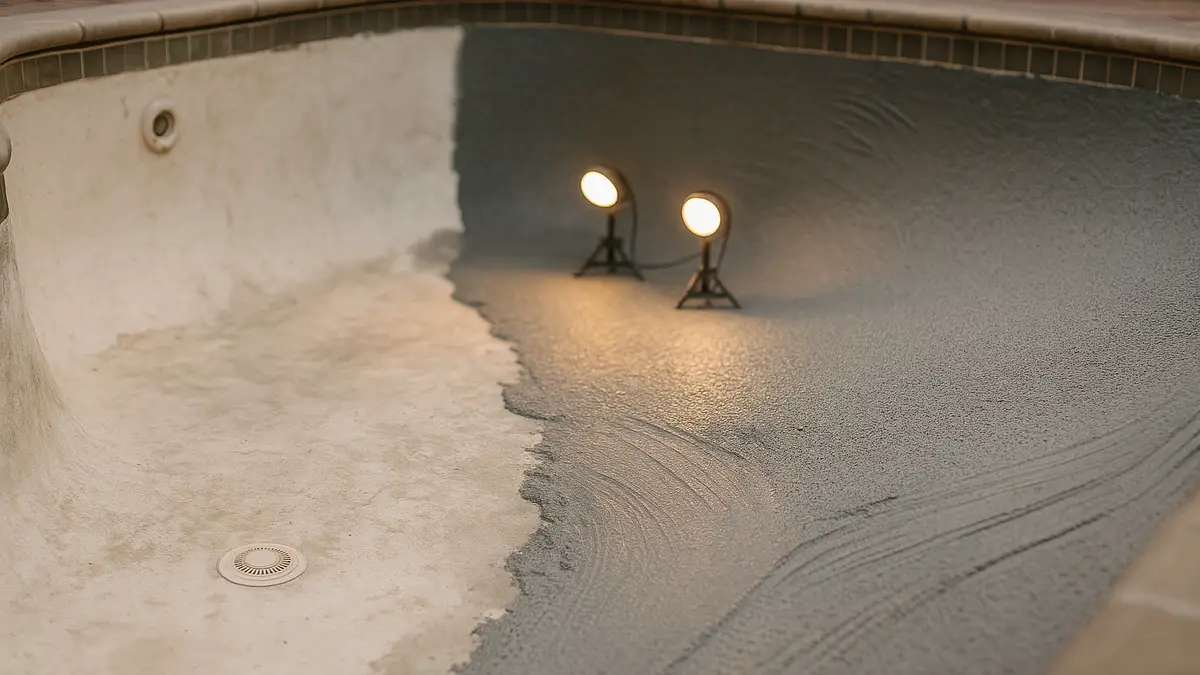
Resurfacing is the biggest recurring cost gunite and concrete pool owners face, and the price swings enormously depending on which finish you choose, plaster, pebble, or tile, and on the pool material itself, a gunite shell, fiberglass gelcoat, or a vinyl liner.
What does resurfacing cost by finish type?
| Finish or material | Typical cost (medium pool, ~500 sq ft) | Typical lifespan |
|---|---|---|
| Standard plaster | $4,500-$7,000 | 10-15 years |
| Pebble/quartz aggregate | $7,000-$12,000 | 15-20+ years |
| Full tile | $15,000-$35,000+ | 20+ years |
| Fiberglass gelcoat resurface | $8,000-$20,000 | 25-30+ years between resurfaces |
| Vinyl liner replacement | $3,500-$6,000 | 7-15 years |
Costs scale with pool surface area, so a small pool resurfaces cheaper than these figures and a large pool costs more; a 16x32 medium inground pool is the reference size used here. Our gunite and concrete pool guide covers why plaster wears out well before the concrete shell underneath it does.
Why does plaster need resurfacing every 10 to 15 years?
Plaster is a relatively soft, porous cement-based finish, and years of water exposure, chemical contact, and normal wear (brushing, foot traffic, sun exposure on the waterline) gradually roughen and thin the surface. A worn plaster surface stains more easily, feels rough underfoot, and can develop small pits that make it harder to keep clean. None of that reflects the concrete shell’s structural condition, which typically remains sound for 20 to 30-plus years; resurfacing addresses the finish, not the pool’s underlying structure.
Is pebble or quartz worth the extra cost over plaster?
Usually, if you’re staying long enough to benefit. Pebble and quartz aggregate finishes cost roughly 40 to 70 percent more than standard plaster upfront, but they last meaningfully longer, often 15 to 20 years versus plaster’s 10 to 15, and resist staining and roughening better over that period. Run the simple math for your timeline: two plaster jobs over 20 to 30 years can cost close to what one pebble job plus a longer stretch of use would, making pebble the better value for long-term owners even though it costs more at any single resurfacing.
When does tile make sense despite the high cost?
Full-pool tile is largely an aesthetic upgrade rather than a functional necessity, since plaster and pebble both perform the waterproofing job tile does. It makes the most sense for owners prioritizing a premium look and willing to pay for it, or for specific design features like a tanning ledge or spa where tile’s finish reads better. A common middle ground is a waterline tile band rather than full-shell tile, which delivers most of the visual upgrade at a fraction of the full-tile cost.
What does the resurfacing process actually involve?
The pool gets drained completely first, which is itself worth planning around since a fully drained gunite pool needs to stay dry only as long as necessary, extended empty periods in areas with a high water table can risk shell movement. Crews then remove the old finish, typically by chipping or acid-washing down to the structural shell, and inspect for cracks or other structural issues that the old finish may have been hiding. Any repairs happen before the new finish goes on, then the new plaster, pebble, or tile is applied and the pool is refilled and chemically balanced over the following days. Total time from drain to swim-ready typically runs 1 to 2 weeks for plaster or pebble, longer for a full tile job given the labor-intensive, piece-by-piece installation.
What should you check before hiring a resurfacing contractor?
Ask specifically whether the quote includes chipping out the old surface completely or applying a thinner overlay on top of it, since overlay approaches are cheaper but generally don’t last as long or hide underlying cracks as well as a full removal and reapplication. Confirm what happens if the crew finds structural cracks once the old finish is removed, since that’s a common mid-project discovery that can add cost if it’s not addressed in the original contract. Get the warranty terms in writing, reputable plaster and pebble installers typically warranty against major defects for a period of years, and a contractor unwilling to put that in writing is worth a second look before signing.
How does resurfacing fit into total pool ownership cost?
Resurfacing doesn’t happen every year, but it’s real enough to budget for from day one, especially for gunite pools where it’s a certainty, not a maybe. A rough way to think about it: divide the plaster resurfacing cost by its expected lifespan and treat that as an extra few hundred dollars a year set aside on top of the routine maintenance costs covered elsewhere on this site. Factor this into your original type decision too; our installation cost guide and pool types comparison both cover how upfront and long-term costs trade off differently across vinyl, fiberglass, and gunite.
Can resurfacing be delayed, and what happens if you skip it?
Resurfacing can usually be delayed somewhat past the typical 10 to 15 year plaster window without immediate danger, but the finish degrades further the longer it’s put off, meaning rougher texture, more staining, and a higher chance the crew finds structural issues once they finally get in to remove it. Delaying too long can also let small surface cracks in an aging finish progress into something that affects the shell underneath rather than staying a cosmetic issue, turning what would have been a routine resurfacing into a more expensive structural repair. Treating resurfacing as a scheduled expense rather than a reactive one, budgeting for it around year 10 to 12 rather than waiting for visible problems, is the cheaper approach over the life of the pool.
Frequently asked questions
Quick answers to what readers ask us most
How often does a pool need resurfacing?
Gunite and concrete pools need the plaster finish resurfaced roughly every 10 to 15 years. Pebble and quartz finishes last closer to 15 to 20 years. Vinyl liners need full replacement every 7 to 15 years, and fiberglass gelcoat typically holds up 25 to 30-plus years before it's worth resurfacing.
Is pebble finish worth the extra cost over plaster?
Often, yes, if you're planning to stay in the home long enough to benefit. Pebble costs more upfront ($7,000-$12,000 versus $4,500-$7,000 for plaster) but lasts longer and resists staining better, which can make its cost per year of service lower than repeated plaster jobs.
Why does tile cost so much more than plaster or pebble?
Tile is priced and installed per square foot of surface, by hand, rather than sprayed like plaster or pebble aggregate, which is far more labor-intensive. Full-pool tile is a premium, largely aesthetic choice; waterline-only tile bands cost much less than resurfacing the entire shell in tile.
Does resurfacing cost count as part of maintenance cost?
Not in the routine annual sense. Resurfacing is a large, infrequent cost, not a monthly or yearly expense; see our maintenance cost guide for what routine annual upkeep runs separately from this periodic cost.