
Pool Pros and Cons: Is Owning One Worth It
The real costs, time, and upkeep of pool ownership weighed against the benefits, so you can decide if a pool fits your budget and lifestyle before buying.
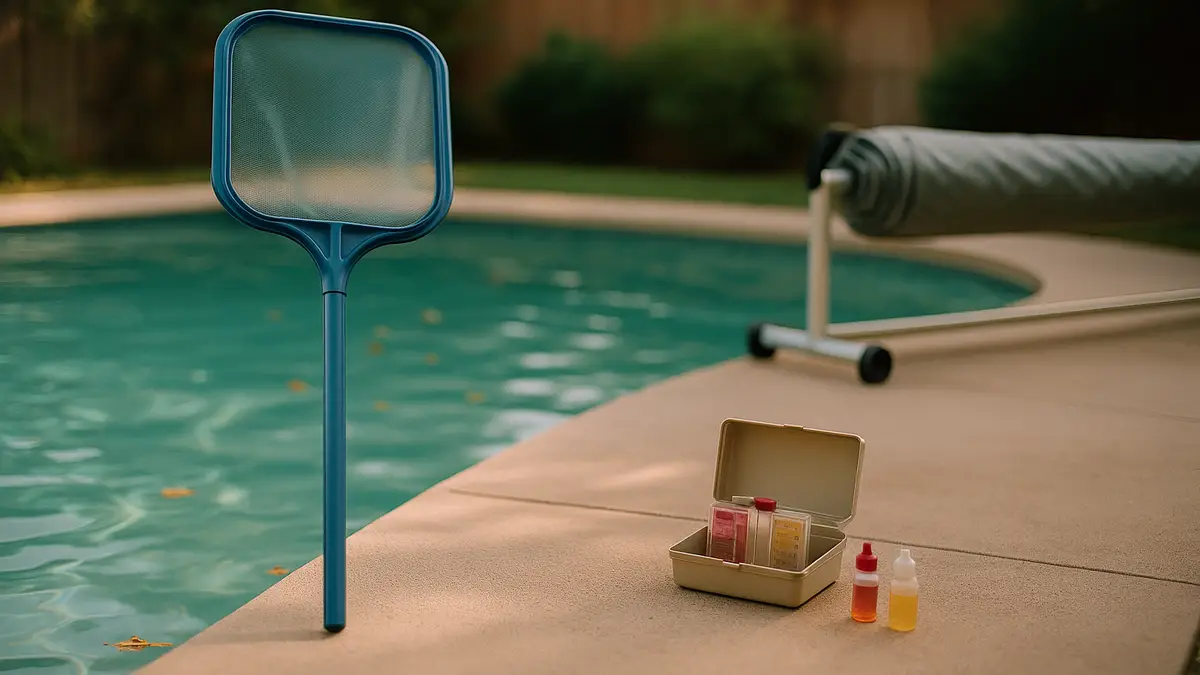
A pool is a genuine lifestyle upgrade for some households and an expensive regret for others, and the difference almost always comes down to how often it actually gets used, not how nice it looks in the listing photos.
What are the real pros of owning a pool?
The most-cited benefit is simple: daily access to swimming, cooling off, and outdoor time without leaving home, which matters most in hot climates and for households with kids. It’s also a genuine form of low-impact exercise that’s easier to stick with when it’s in your backyard than when it requires a drive to a gym or public pool. For inground pools specifically, there’s a real resale value benefit, since buyers and appraisers generally treat a well-maintained inground pool as a permanent property improvement. Above-ground pools rarely add resale value, but they deliver most of the daily-use benefit at a fraction of the cost; our inground vs above-ground comparison covers that trade-off directly.
What are the real cons of owning a pool?
Upfront cost is the obvious one: $1,500 to $6,000 for above-ground, $8,000 to $20,000 for semi-inground, and $35,000 to $120,000-plus for inground, depending on material. Our installation cost guide breaks that down further. Annual upkeep adds $600 to $1,200 a year for above-ground pools and $1,800 to $5,000 a year for inground pools, covered in full in our maintenance cost guide. Time is the cost that surprises people most: routine skimming, testing, and cleaning take real weekly effort, and it doesn’t pause when you’re busy or on vacation unless you’ve arranged coverage.
| Factor | Pro | Con |
|---|---|---|
| Upfront cost | One-time expense, financing available | $1,500-$120,000+ depending on type |
| Annual cost | Predictable once established | $600-$5,000/yr ongoing |
| Time | Becomes routine after a season | 30 min-2 hrs/week, more in summer |
| Home value | Inground adds resale value | Above-ground rarely does |
| Insurance | N/A | Modest premium increase typical |
How much time does a pool actually take?
Plan on 30 minutes to 2 hours a week for routine tasks: skimming debris, checking and adjusting chemical levels, brushing walls, and emptying skimmer baskets. That climbs during peak summer, when heat and heavier use push chemical demand up, and after storms, which can dump enough debris and rainwater to throw off chemistry overnight. A robotic cleaner and a simple weekly testing habit keep the time commitment toward the lower end, but there’s no version of pool ownership with zero routine effort. Anyone who dislikes weekly maintenance tasks on principle should weigh that honestly before buying, regardless of how appealing the pool itself looks.
What does a pool actually cost per swim?
Run the numbers instead of guessing. A $50,000 inground pool used 3 times a week for 5 months a year (roughly 65 swim days) costs, spread across a 10-year ownership period at $3,000 a year in upkeep, about $110 per swim day in year one, dropping toward $46 per swim day by year ten as the fixed cost amortizes further. The same pool used only a handful of times a season, say 10 swim days a year, never gets that per-swim cost down to a reasonable number; it stays in the hundreds of dollars per swim for the life of the pool. This is the actual math behind “it’s worth it if you use it a lot”: frequency doesn’t just make a pool more enjoyable, it’s the single variable that determines whether the cost was ever justified.
What safety and liability factors matter?
Pools are legally classified in most places as an “attractive nuisance,” meaning property owners carry real liability if a child or trespasser is injured, even without permission to be there. That’s the practical reason most jurisdictions require fencing, self-latching gates, and sometimes pool alarms, not just a suggestion but a legal requirement in many areas; our pool fence buying guide covers what those codes typically specify. Homeowners insurance usually needs a specific rider or endorsement to fully cover pool-related liability, so it’s worth confirming coverage with your insurer before, not after, installation. None of this should be a dealbreaker, but it’s a real cost and responsibility layer beyond the chemicals-and-electricity math most buyers focus on first.
Who does pool ownership make sense for?
It makes the most sense for households in warm climates who’ll use the pool multiple times a week for most of the season, families with kids who’ll get years of regular use, and anyone planning to stay in the home long enough (typically 10-plus years) to spread the upfront cost across enough use to justify it. It makes less sense for households in short-swim-season climates, anyone who travels frequently during summer, or anyone buying mainly because a pool “would be nice to have” rather than because they know they’ll use it weekly. Above-ground pools lower the financial risk of testing that assumption; see our pool types guide for the full cost ladder across every option before deciding.
If you’re on the fence, a reasonable way to test the assumption without committing to an inground project is to rent or borrow access to a pool for a season, or start with a modest above-ground setup, before scaling up to a larger, more permanent build. Households that go this route and confirm they genuinely use a pool weekly tend to be the happiest long-term inground owners, since they’re buying based on demonstrated habit rather than a hopeful guess about summer weekends that may or may not materialize once the pool is actually installed.
Frequently asked questions
Quick answers to what readers ask us most
Is it worth having a pool if you use it a lot?
Generally yes. Frequent use is the single biggest factor that makes the cost and time commitment worth it, since the per-swim cost drops sharply the more the pool actually gets used. Occasional or seasonal-only use makes the math much harder to justify.
How much time does pool ownership take per week?
Routine upkeep runs roughly 30 minutes to 2 hours a week for skimming, testing, and light cleaning, more during peak summer and after storms, less in cooler months. Owners who add a robotic cleaner and a simple weekly routine keep it toward the lower end.
Do pools increase homeowners insurance?
Often, yes, since pools are classified as an attractive nuisance and liability risk. Expect a modest premium increase, and confirm your policy covers pool-related liability specifically, since some standard policies exclude it without an added rider.
What's the biggest hidden cost of owning a pool?
Resurfacing and major equipment replacement, which don't happen every year but are expensive when they do. A gunite pool's plaster typically needs replacing every 10 to 15 years; see our maintenance cost guide for how to budget for costs that aren't monthly but are still real.